
Car Cambelt and Timing Belt
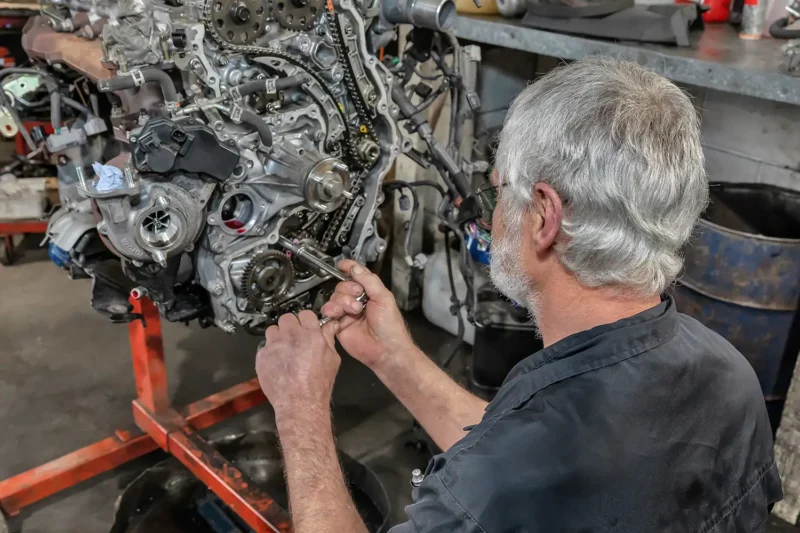 Critical Maintenance to Prevent Engine Damage
If your cambelt (also called a timing belt) breaks, it can wreck your engine. Bent valves, damaged pistons, repair bills in the thousands. Replacing it at the right time prevents all that.
We replace cambelts/timing belts, tensioners and water pumps when they’re due. Stick to the schedule and you’ll be fine.
Our Cambelt/Timing Belt Services Include
- Cambelt/Timing Belt Replacement – We fit new timing belts and make sure valve timing is spot on.
- Tensioner and Pulley Replacement – Tensioners and pulleys wear out with the belt. We replace them together to stop the new belt failing early.
- Water Pump Replacement – On many engines, the water pump is driven by the timing belt. Makes sense to replace it while we’re in there.
- Idler Pulley Replacement – Worn idler pulleys cause noise and can damage the new belt. We check and replace them as needed.
- Cambelt/Timing Belt Inspection – If you’re not sure when your belt was last done, we can inspect it and advise whether it needs replacing.
When Does Your Cambelt/Timing Belt Need Replacing?
Most manufacturers recommend timing belt replacement between 80,000 and 100,000 kilometres, or every five to seven years, whichever comes first. Some engines go longer, some need it sooner.
Age matters as much as kilometres. A cambelt can deteriorate from age even if the car hasn’t been driven much.
Check your service book or owner’s manual for your vehicle’s specific interval. If you don’t have the book, call us with your make, model and year and we’ll look up the recommended interval.
Signs Your Cambelt/Timing Belt Might Need Attention
Cambelts usually give little warning before they fail. That’s why sticking to the replacement interval is so important. However, watch for these signs:
- Ticking or slapping noise from the engine. Could indicate a loose or worn timing belt.
- Engine misfires or runs rough. If the belt has jumped a tooth, valve timing will be off.
- Oil leaking from the timing cover. Oil contamination damages timing belts.
- Visible cracks or fraying on the belt. If you can see the belt and it looks damaged, get it replaced.
- You can’t remember when it was last done. If there’s no service history, assume it needs doing.
Why Choose AutoCare for Cambelt/Timing Belt Replacement?
This job needs doing right. Valve timing has to be exact or your engine won’t run properly.
We replace everything that needs replacing. New timing belt with old tensioners is asking for trouble.
If your water pump is driven by the cambelt, we’ll tell you to replace it at the same time. Water pumps fail, and you don’t want to pay for this job twice when the pump dies six months later.
What Happens If a Cambelt/Timing Belt Breaks?
Depends on your engine type:
Interference engines – The pistons and valves occupy the same space at different times. If the cambelt breaks, they collide. This bends valves, damages pistons and often wrecks the cylinder head. Repair costs thousands.
Non-interference engines – The pistons and valves don’t collide if the timing belt breaks. The engine stops running but usually doesn’t suffer internal damage. You still need a tow and a new belt fitted.
Most modern engines are interference engines. Don’t risk it.
Timing Chains vs Cambelts/Timing Belts
Some engines use timing chains instead of belts. Chains generally last the life of the engine and don’t need regular replacement. However, they can still wear out or fail, especially if oil changes have been neglected.
If you’re not sure whether your engine has a cambelt or chain, we can tell you.
Book Your Cambelt/Timing Belt Replacement
Don’t risk expensive engine damage. If your cambelt or timing belt is due or overdue, get it done at AutoCare.
